


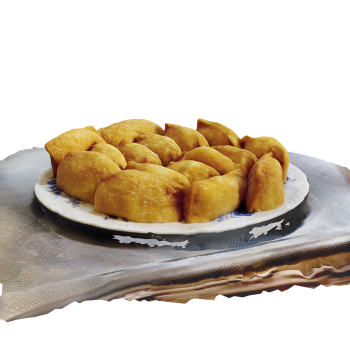
Japanese Sushi
Inaba sushi is a traditional Japanese sushi that is famous for sushi rice wrapped in deep-fried tofu skin. This kind of sushi is characterized by cooking the tofu skin in soy sauce, sugar, mirin and juice to give it a sweet and salty flavor, and then filling the seasoned sushi rice into the tofu skin pocket. The name comes from the Japanese god of rice lotus, which is considered the patron saint of rice and agriculture, and the fox is its messenger. Legend has it that foxes are very fond of fried tofu skins, so this kind of sushi is also called "fox sushi". Not only is it a delicacy, it is also often used as a food in shrines, symbolizing a wish for good harvest and good luck.
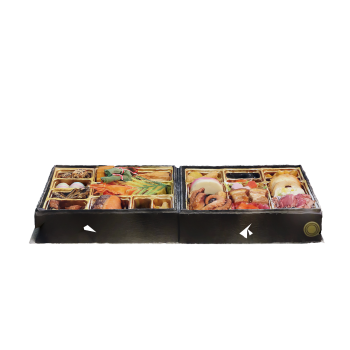
Japanese Royal Festival Cuisine
Yujie cuisine is a traditional Japanese cuisine during the first month of the month, with a profound cultural background and historical origins. The origin can be traced back to the Yayoi era, when people, in order to celebrate the harvest of rice, would prepare special food for the gods when the seasons changed. These foods were called "festival offerings". In the Heian era, this custom gradually evolved into a "festival" ceremony in the palace, especially in the first month. Ingredients and production methods are rich in cultural significance. With the passage of time, royal festival cuisine from the palace to the folk, become a traditional food for Japanese families to celebrate the New Year. It is an important part of the Japanese New Year.
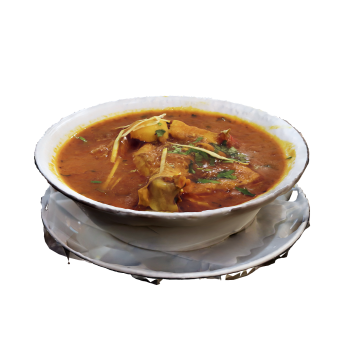
JAPANESE BONOKEN CHICKEN WITH LYI CURRY
Gangfu chicken and taro curry is a classic Japanese curry dish. It combines tender and juicy chicken with soft and sweet taro. It is matched with rich curry sauce and has a unique flavor. Not only popular among Japanese families, but also on the menu of izakaya and restaurants. It is characterized by a rich texture: the tenderness of the chicken, the softness of the taro, and the mellow of the curry. Vegetables such as onions and carrots are usually added to make the nutrition of the whole dish more balanced. In Japan, this dish is often served with rice or pancakes and is a hearty dish suitable for family meals or gatherings of friends.
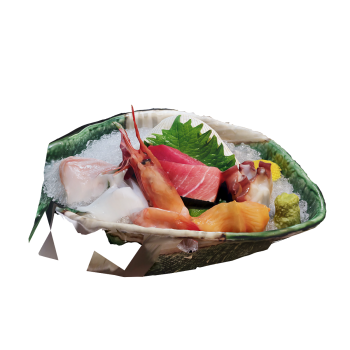
Japanese Sashimi Platter
The Japanese Sashimi Platter is a Japanese dish with fresh seafood as the main ingredient and is famous for its exquisite setting and varied ingredients. It usually consists of a variety of sashimi and seafood. Common ingredients include salmon, tuna, arctic shellfish, octopus, scallops, sea urchin, snapper, shrimp, etc. Each ingredient has its own unique flavor and texture, adding a rich texture to the sashimi platter. The production pays great attention to the freshness of the ingredients and the slicing technique. Fish fillets need to be cut into thin and uniform slices to ensure the best taste and visual effect. It is usually served with soy sauce, mustard and pickled ginger, which enhance the flavor of the stab.

Japanese Baked Shellfish
Japanese shellfish is a classic Japanese dish, usually freshly baked and served with a special sauce or dip. It is characterized by the tender and juicy shellfish, as well as the scorched shell formed during the baking process, which is rich in taste and unique in flavor. Species are rich, common scallop, bird scallop, clam and so on. The production process is relatively simple, but the freshness of the ingredients is extremely high. The shellfish is cleaned, gutted and then roasted with a spray gun or oven until a charred layer forms on the surface. Roasted shellfish can be served with soy sauce, mustard, lemon juice or a special dip to add a sense of flavor.

Japanese Fried Chicken Chop
Japanese fried chicken steak is a classic Japanese cuisine, known for its crisp outside and tender inside, fresh and juicy. Selection of chicken or chicken breast meat, after marinated, wrapped powder, fried and other steps made. It is characterized by its light-weight overcoat and unique seasoning. It uses wheat flour and potato starch to blend the powder to make the fried chicken crust crispy and lock the gravy at the same time. In terms of seasoning, Japanese fried chicken chops often use traditional Japanese seasonings such as soy sauce, mirin, and sake to give them a unique flavor. Pai is often served with dips such as lemon juice, mayonnaise or orange vinegar to increase the level of flavor.

Japanese Sushi Platter
Japanese sushi platter is a very representative food in Japanese cuisine. It is usually composed of a variety of sushi, including clenched sushi, rolled sushi, warship sushi, etc. It is rich in taste and flavor, and also pays attention to color matching and setting art, which reflects the exquisite and aesthetic feeling of Japanese cuisine. It is characterized by its diversity and freshness. Common types of sushi include salmon, tuna, sweet shrimp, moray eel, etc. Each kind of sushi uses fresh ingredients to retain the natural flavor of the ingredients. When making, the sushi chef will use different production methods according to the characteristics of different ingredients. It is not only a food, but also an art.

Japanese raw tuna slices
Japanese raw tuna fillets are a classic in Japanese cuisine, often referred to as "sashimi". With fresh tuna as the main ingredients, cut into thin slices with soy sauce, mustard and other seasonings. In Japan, the production of tuna sashimi is very exquisite, and the selected tuna must be fresh and strictly processed and preserved. In order to maintain the freshness of the fish, tuna is usually frozen at ultra-low temperature quickly after fishing to ensure that it can still maintain the best taste after long-term transportation and storage. The pursuit of freshness makes tuna sashimi not only delicious, but also high nutritional value, rich in Omega-3 fatty acids and high-quality protein

Japanese roasted eel
Japanese roasted eel is a classic Japanese cuisine, with fresh eel as the main ingredient, after pickling, cooking and baking and other steps to make. It is characterized by its crispy skin and juicy inside, with a special sauce for a strong flavor. In the production process, river eel or moray eel is usually selected, boned and cut into large pieces, marinated with soy sauce, sugar, sake, Wei Lin and other seasonings, then steamed to medium-cooked, and finally baked in the oven. Brush the sauce many times until the surface shows a glittering red and bright color. It is usually served with white rice, lettuce or shredded ginger. Not only delicious, but also has a high nutritional value.

Japanese salmon fish roe sushi
Salmon roe sushi is a classic Japanese sushi with fresh salmon roe as the main ingredient. Fish roe is bright orange red, full of particles, unique taste, with a strong marine flavor, while slightly salty and sweet, is the high-end ingredients in sushi. When making, the salmon roe is usually gently spread on the kneaded vinegar rice to form a classic sushi, or put into a seaweed roll to make a warship roll. The outer layer of the fish roe is slightly sticky and will release rich juice after biting, bringing a unique "popping" taste. Not only delicious, but also rich in omega -3 fatty acids, protein, vitamin D and B12 and other nutrients.

Japanese Middle Toro Sushi
It is a high-class dish in Japanese sushi, made using the tow part of tuna. Located in the belly of tuna, the fat content is high, the meat is soft and has a marble-like texture, the taste is delicate, and the mouth is melt. The production process is very exquisite, usually choose fresh tuna in drag slices, with specially prepared sushi rice. Sushi rice by sushi rice, sushi vinegar modulation, taste sweet and sour moderate. Fish meat usually has some fat to make it rich in flavor without being too fatty like a big drag. It is highly respected in Japan and is also popular in high-end Japanese restaurants around the world.

Japanese Ramen
Japanese ramen, as a bright pearl in Japanese food culture, has long been popular all over the world. It is based on noodles, with a rich variety of soup base and side dishes, constitute a unique taste feast. The soup base can be called the essence of Lamian Noodles. The pork bone soup base is slowly boiled with pork bones, with milky white color and mellow taste. Soy sauce soup base is salty and fragrant, with long lasting flavor. Miso soup base is rich in layers by virtue of the unique flavor of miso. The salt soup base is refreshing and delicious. In terms of side dishes, soft and tender barbecued pork, crisp seaweed, crisp fungus shreds, sweet corn kernels, and flowing hot spring eggs add a rich taste to Lamian Noodles.

Japanese salt roasted saury
Salt grilled saury is a classic Japanese autumn cuisine that preserves the delicacy and nutrition of saury in a simple but unique way of cooking. Rich in unsaturated fatty acids, these ingredients help lower cholesterol and are beneficial for cardiovascular health. In Japan, salt-grilled saury is usually served with rice, miso soup and radish puree. Emphasizing the original taste of the ingredients, the fish is usually sprinkled with a small amount of salt and grilled directly until the surface is browned and the oil is slightly overflowed. To remove the fishy smell and add a fresh flavor, after baking, lemon juice or lime juice is usually squeezed and served with white radish puree. It is a delicious dish.

Japanese Fish Sushi
Japanese fish sushi is a classic Japanese cuisine, with fresh fish and vinegar rice as the main ingredients, with soy sauce, mustard and other seasonings. The origin can be traced back to ancient Japan, originally as a method of preserving fish, which gradually evolved into the modern form of sushi. When making, usually choose fresh fish, such as salmon, tuna, etc., cut into thin slices and placed on the vinegar rice. Vinegar rice is the key to sushi. It is made of rice, vinegar, sugar and salt. It has a sweet and sour taste. The making of sushi not only pays attention to the taste, but also emphasizes the exquisite appearance. Each piece of sushi is like a work of art.

Japanese help six sushi
Sushi is a common Japanese sushi combination that usually consists of fried tofu sushi and rolled sushi. The name is derived from the Japanese Kabuki repertoire "Helping Six by Yuan Edo Sakura". In the play, the lover of the protagonist, Zhu Liu, is named "Yang roll", in which "Yang" represents fried tofu and "roll" represents roll sushi. Therefore, the combination of these two kinds of sushi and named "Zhu Liu Sushi" not only reflects the names of the characters in the play, but also skillfully combines the ingredients of sushi. Very common in supermarkets and convenience stores in Japan, it is an affordable and popular sushi option. It is not only suitable for daily consumption, but also often appears in parties or bento boxes

Japanese Sushi Boat
Sushi boat is a Japanese dish that presents shushi in the form of a boat-shaped platter. Sushi is a traditional form of sushi that consists of a small ball of vinegar rice and a slice of fresh sashimi or other seafood. The boat-shaped platter usually includes a variety of sushi, such as salmon, tuna, snapper, etc., combined with other sushi types and sashimi, forming a rich visual and taste experience. The sushi boat not only shows the skills of the sushi master, but also brings a double feast of vision and taste for diners through rich ingredients and exquisite plates. Suitable for many people to share, often used for parties or special occasions.

Japanese Salmon Sushi
Japanese salmon sushi is a classic Japanese cuisine, with tender salmon slices and sweet sushi rice as the main ingredients. Salmon is rich in unsaturated fatty acids, taste delicious, high nutritional value. When making, the salmon is usually sliced and covered on a kneaded sushi rice ball, and then accompanied by a small amount of mustard and soy sauce, the flavor is unique. Sushi rice is the soul of salmon sushi. It is made by steaming sushi rice and adding sushi vinegar. It tastes soft and waxy with a slight acid flavor. In addition to salmon, you can also add avocado, cucumber and other ingredients according to personal taste to increase the sense of hierarchy. Not only delicious, but also has a rich cultural connotation.
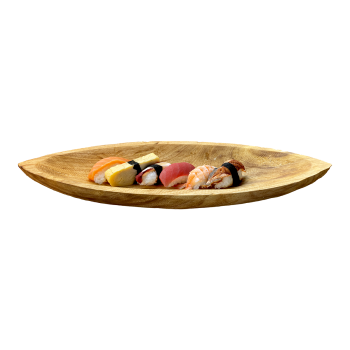
A delicately arranged plate of sashimi sushi

Popular Models


Honey Badger (3D animated model)
192 View

Guinea fowl (3D animated model)
163 View

Wild Goose (3D animated model)
185 View

Red Fox (3D animated model)
153 View
Random Model


The Ruins Church of Rakovets, Bulgaria
1893 View


Star and Moon Sculpture Gold Ring
814 View

Nike Royal sneaker
663 View

Polar bear
1262 View


calcite
894 View


Greek Football Super League Trophy
909 View